AR FOR E L E C T R I C I A N S
Supporting electricians by bringing information directly into their environment through augmented reality.
Role: Interaction Designer
Context: University Project
Duration: 5 Weeks
Tools: Figma, UI Design, User Testing
Role: Interaction Designer
Context: University Project
Duration: 5 Weeks
Tools: Figma, UI Design, User Testing
To explore how AR could help electricians stay safer while navigating the hazards of their high-risk work.
How might we explore a system that would assist electricians in improving safety by creating an AR checklist?
Through interviews and observation, I noticed issues around power status communication, missing documentation, and the risks of working in energized environments.
From this, the focus shifted from safety alone to exploring how an AR assistant could support electricians directly in their workflow.
I explored ideas ranging from checklist structures to step-by-step AR guidance, testing them through Wizard-of-Oz simulations.
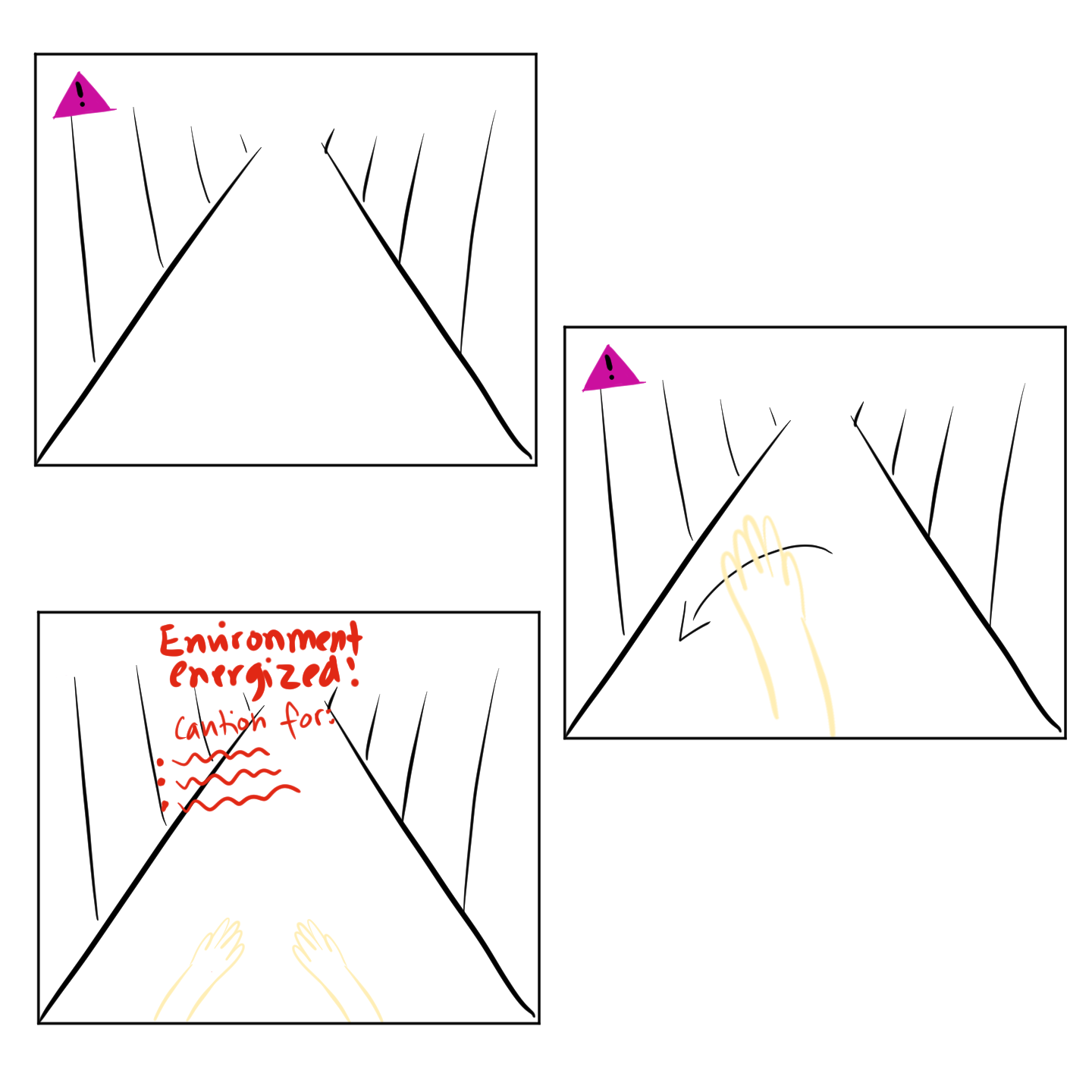
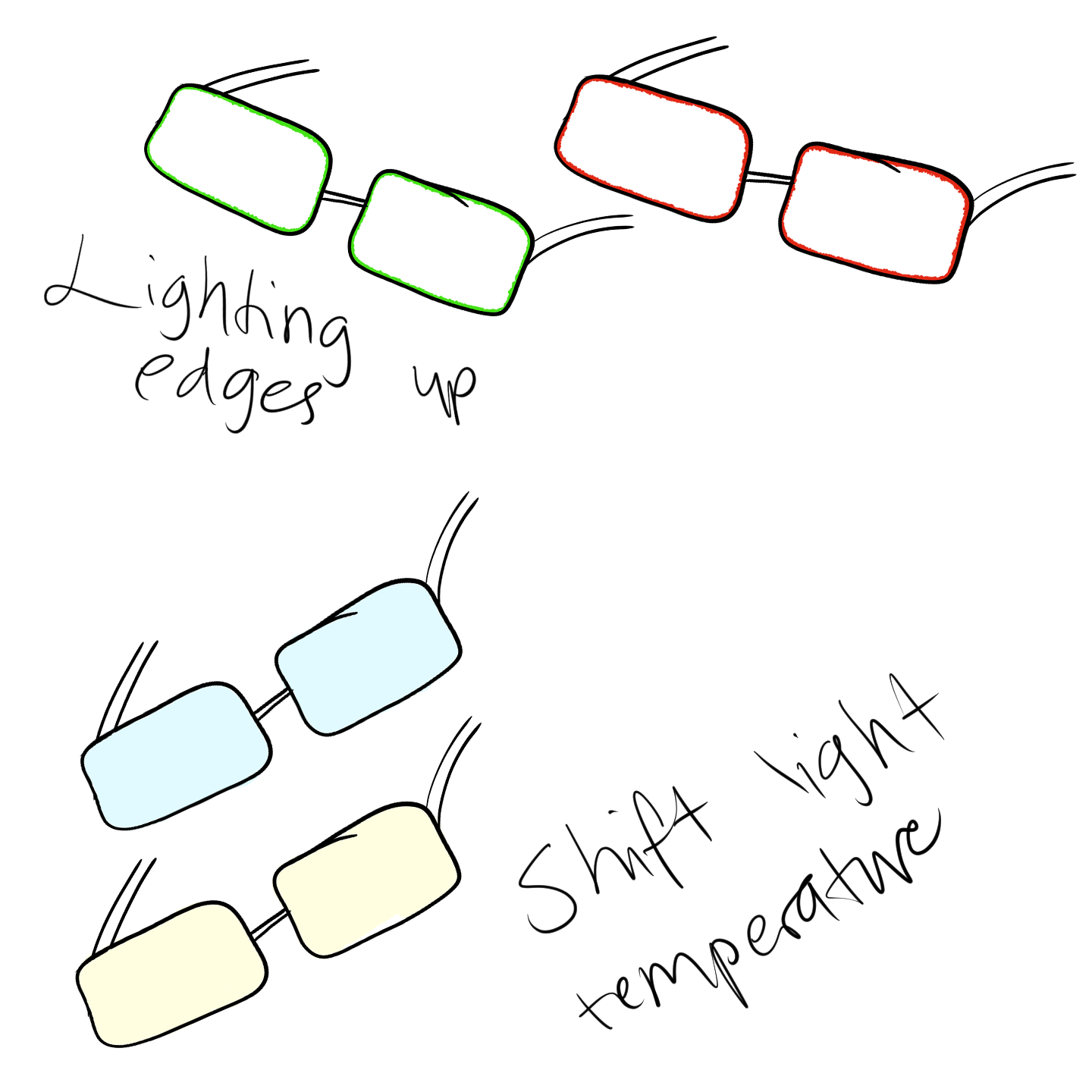
The final concept became an AR assistant that could support electricians through interactive checklists, environment scanning, measurement tools, and collaboration features.
“We already have strict procedures bound by law for safety, that’s not the problem.”
I initially focused on safety, assuming AR could help electricians prevent hazards. But conversations with electricians revealed a different reality; safety checks were already part of their workflow. What they needed instead was support in understanding information, troubleshooting issues, and navigating complex documentation. The focus shifted from preventing risk to supporting their workflow in real time.
“If a system tells me what to do, then what do I need my experience for?”
Electricians pointed out how important it was to maintaining control over their work. Rather than being guided step-by-step, they preferred flexible systems that supported their decision-making without replacing their expertise.